Introduction
Choosing bathroom tile is more than a design decision; it affects durability, cleanliness, and value. The right tile withstands moisture, cleans easily, and keeps your space looking fresh for years. This guide covers popular tile types, design ideas, installation basics, maintenance, and tips to choose tile that fits your budget and lifestyle. By outlining best practices and safety considerations, we aim to help homeowners, designers, and contractors make informed choices with confidence.
Popular tile options
Tile types fall into ceramic and porcelain ceramics both fired clay but porcelain is denser and more water resistant. Ceramic tiles are affordable and versatile for walls and shower surrounds. Porcelain offers durability for floors and heavy traffic zones. Natural stone such as marble or slate provides unique veining and texture but requires sealing and more maintenance. Glass tiles add reflectivity and color shifts, often used as backsplashes or accents. Mosaic styles offer creative layouts and soft textures on walls or shower niches.
Design and layout considerations
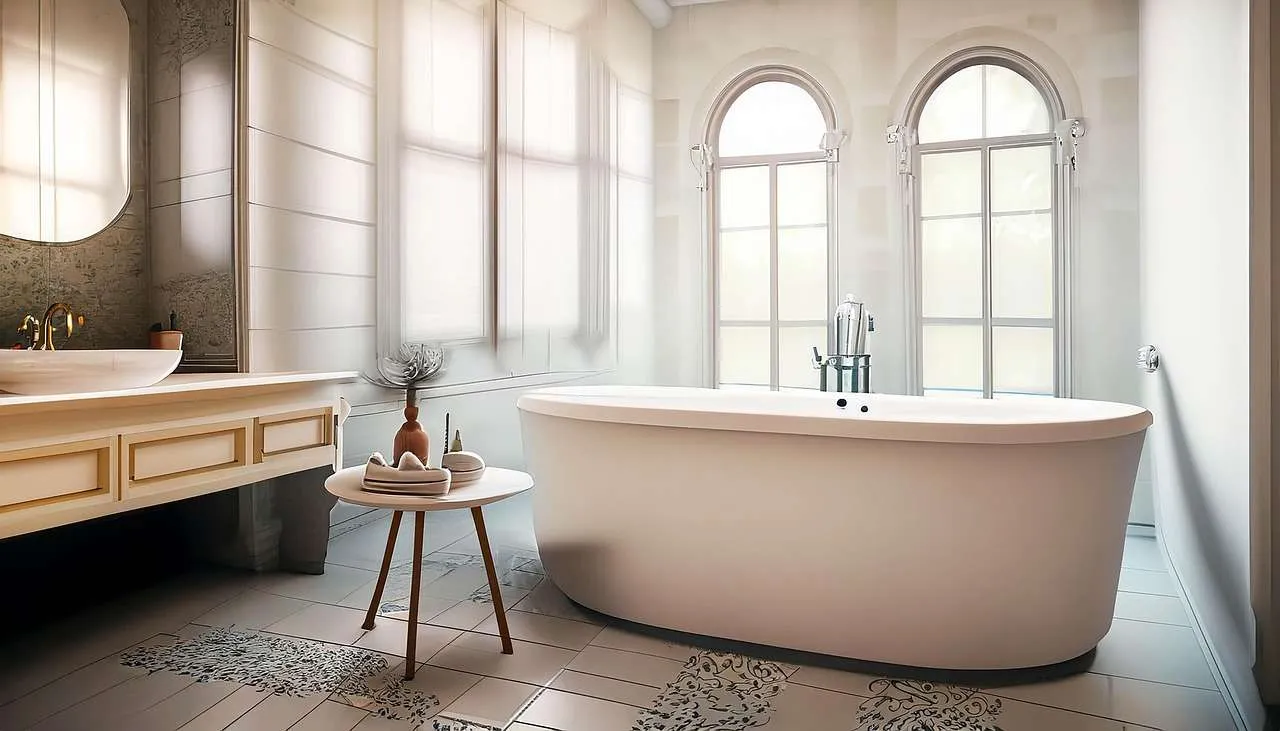
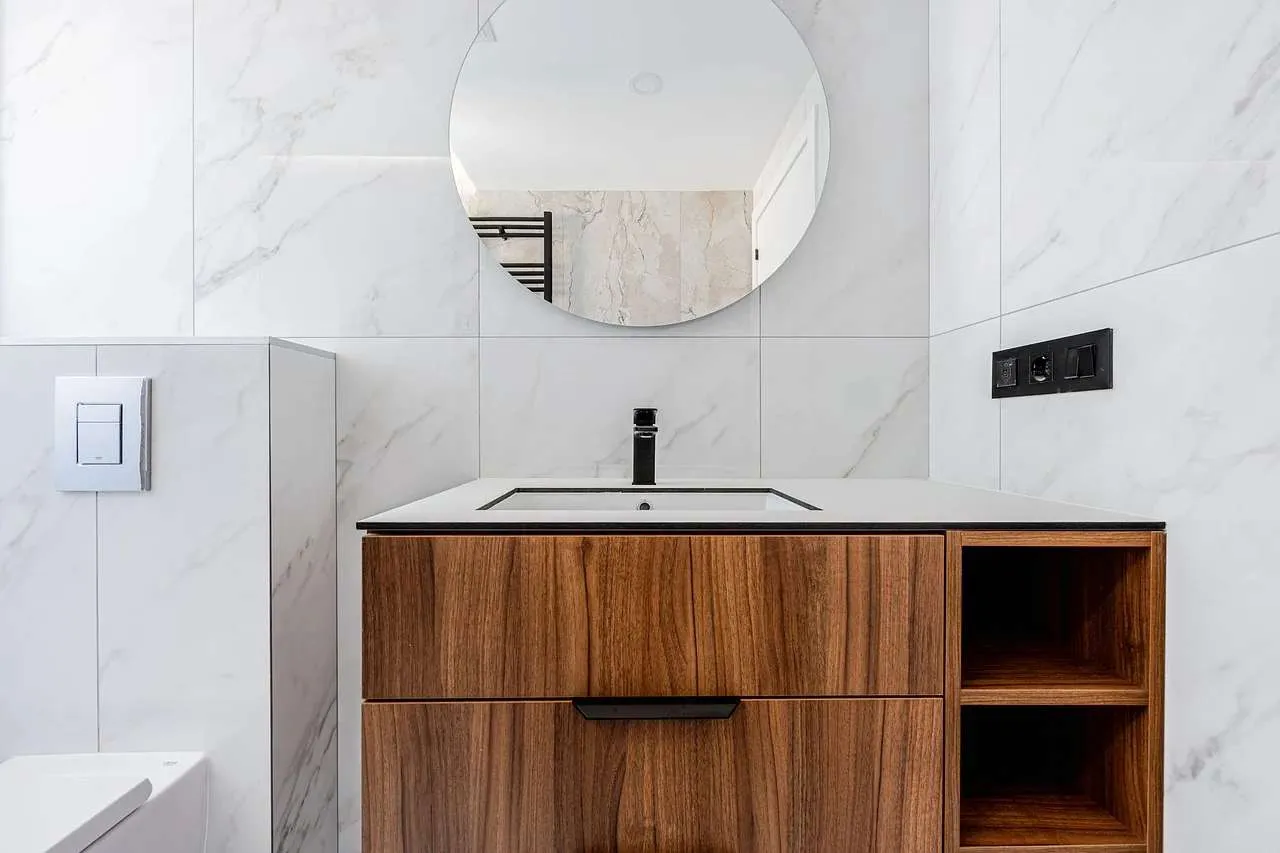
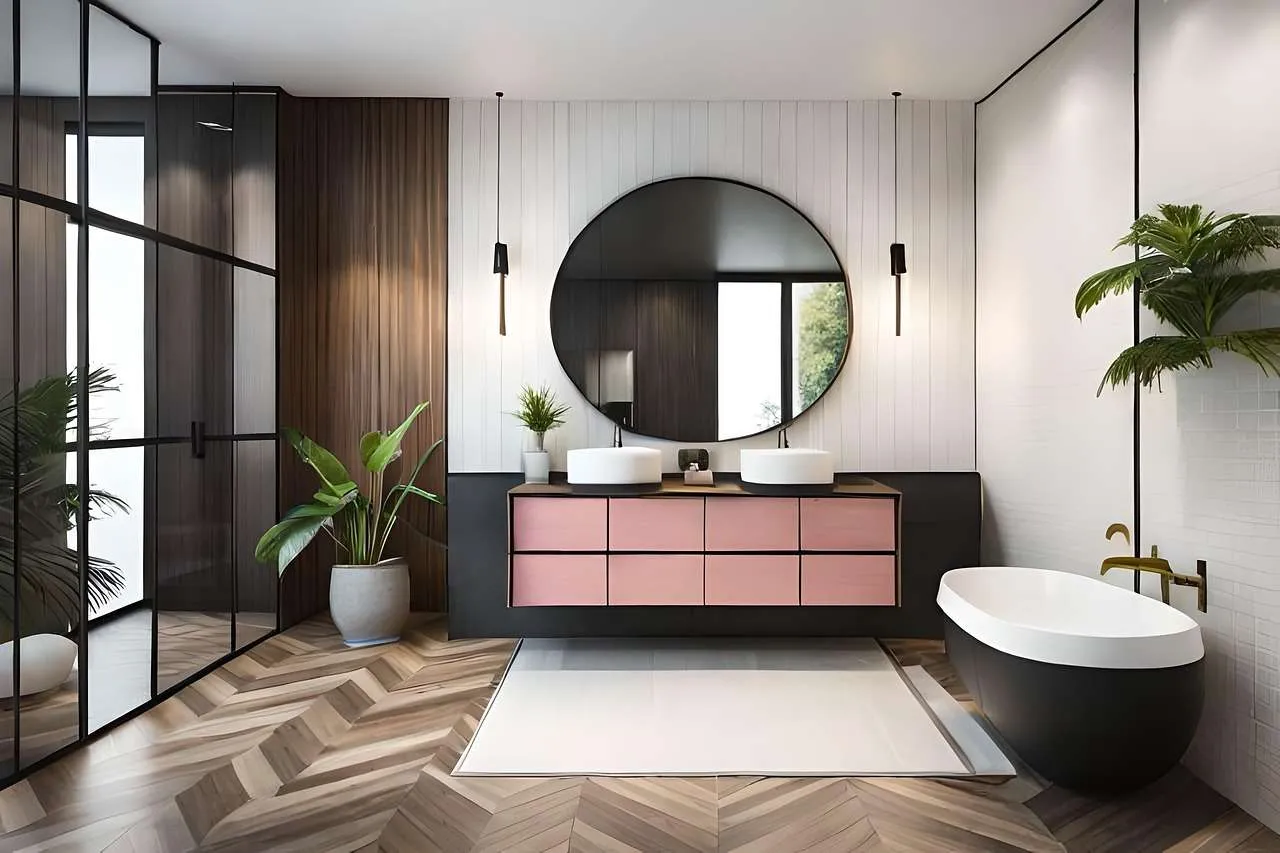
Selecting tile sizes radically changes a bathroom feel. Large format tiles reduce grout lines and create a seamless look in small spaces. Smaller mosaic tiles or subway tiles offer classic charm. Color coordination matters; light neutral tones brighten a compact bath, while mid to bold colors can define zones. For wet areas choose slip resistant surfaces and color matching grout to minimize emphasis on lines. Pattern choices such as herringbone or brick patterns add movement without overpowering the space.
Installation basics
Preparation starts with a solid substrate and proper waterproofing. A cement backer board provides a moisture resistant base behind tile in showers and tub surrounds. A waterproof membrane helps protect framing from moisture. Use thinset mortar appropriate for tile type and substrate. Maintain even coverage with a notched trowel and use spacers for uniform joints. After setting, apply grout that suits the tile and environment. Sealing is recommended for natural stone and some grout types to prevent staining.
Maintenance and grout
Regular cleaning extends tile life and hygiene. Wipe down surfaces after showers to reduce soap scum. For grout, seal if using cement based grout and reseal periodically. Epoxy grout offers excellent stain resistance but is harder to work with in DIY projects. Use mild cleaners and avoid acidic products on natural stone. A yearly inspection helps catch cracks or loose tiles before water damage occurs.
Choosing tile for different bathroom areas
Shower walls require water resistance and easy cleaning; porcelain and glazed ceramic are common choices. Floors demand slip resistance and durability; select porcelain or ceramic with a textured finish. Backsplashes benefit from glass or ceramic with a glossy glaze that resists moisture. For feature walls or showers you can mix textures or add a decorative mosaic for visual interest while keeping maintenance manageable.
Eco friendly options
Look for tiles with recycled content and low emissions from kilns. Pair with low VOC adhesives and grouts. Porcelain and ceramic tiles can be sourced responsibly; sealants and cleaners should also carry low VOC ratings for a healthier home. Durable tiles reduce replacement cycles and environmental impact over time.
Tile comparison
| Tile type | Durability | Maintenance | Cost | Best uses |
|---|---|---|---|---|
| Ceramic | Moderate | Low to moderate | Affordable | Walls and showers |
| Porcelain | High | Low | Moderate | Floors and wet zones |
| Natural stone | Varies | Higher maintenance | High | Feature walls and floors |
| Glass | Low to moderate | Low | High | Backsplashes and accents |
| Mosaic | Varies | Moderate | Moderate | Decorative details |
Conclusion
Conclusion, choosing the right bathroom tile blends durability with design. Consider moisture exposure, maintenance, slip resistance, and your budget. Ceramic and porcelain cover most spaces with reliable performance, while natural stone or glass offers distinctive looks with extra care. Plan substrates and waterproofing, select complementary grout colors, and align tile size with room dimensions. A thoughtful choice today yields a beautiful, long lasting bathroom that remains easy to clean and maintain for years.