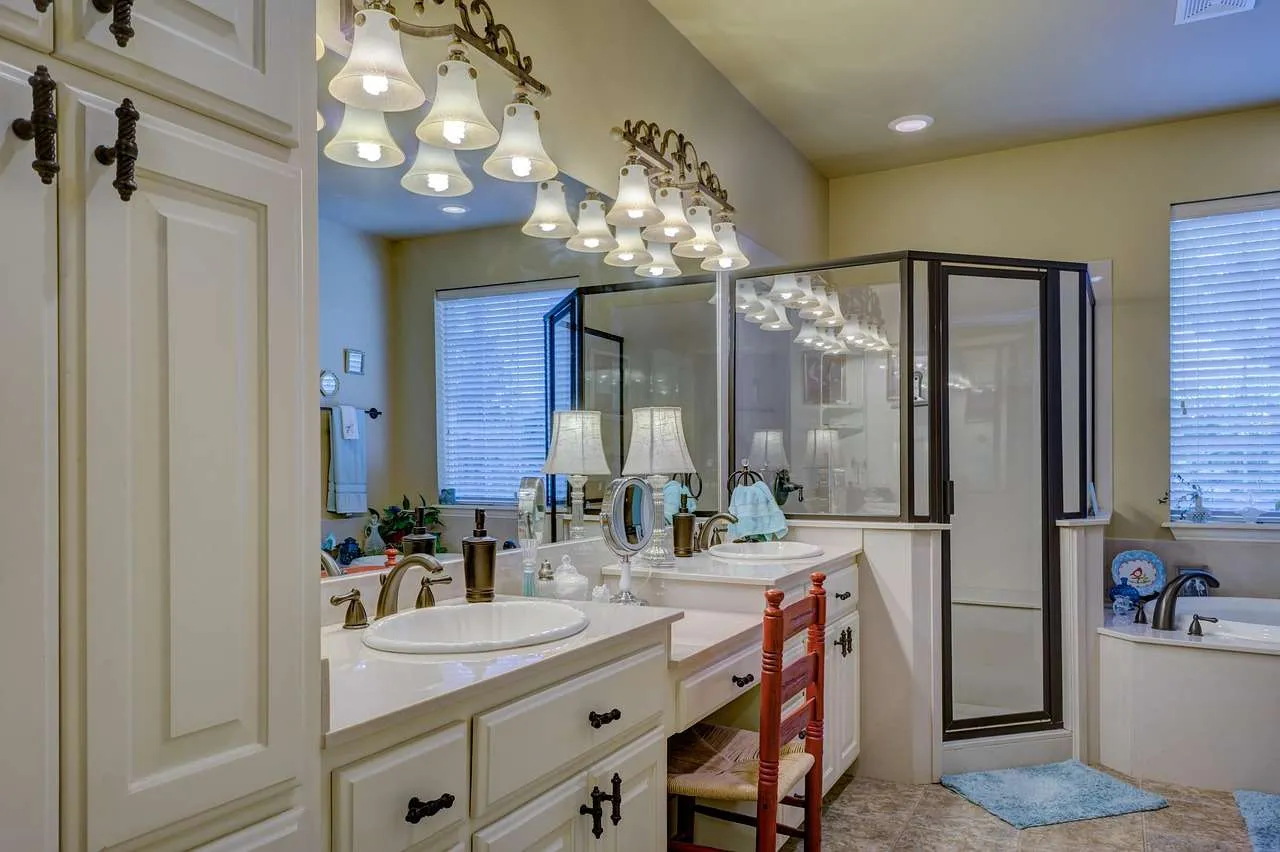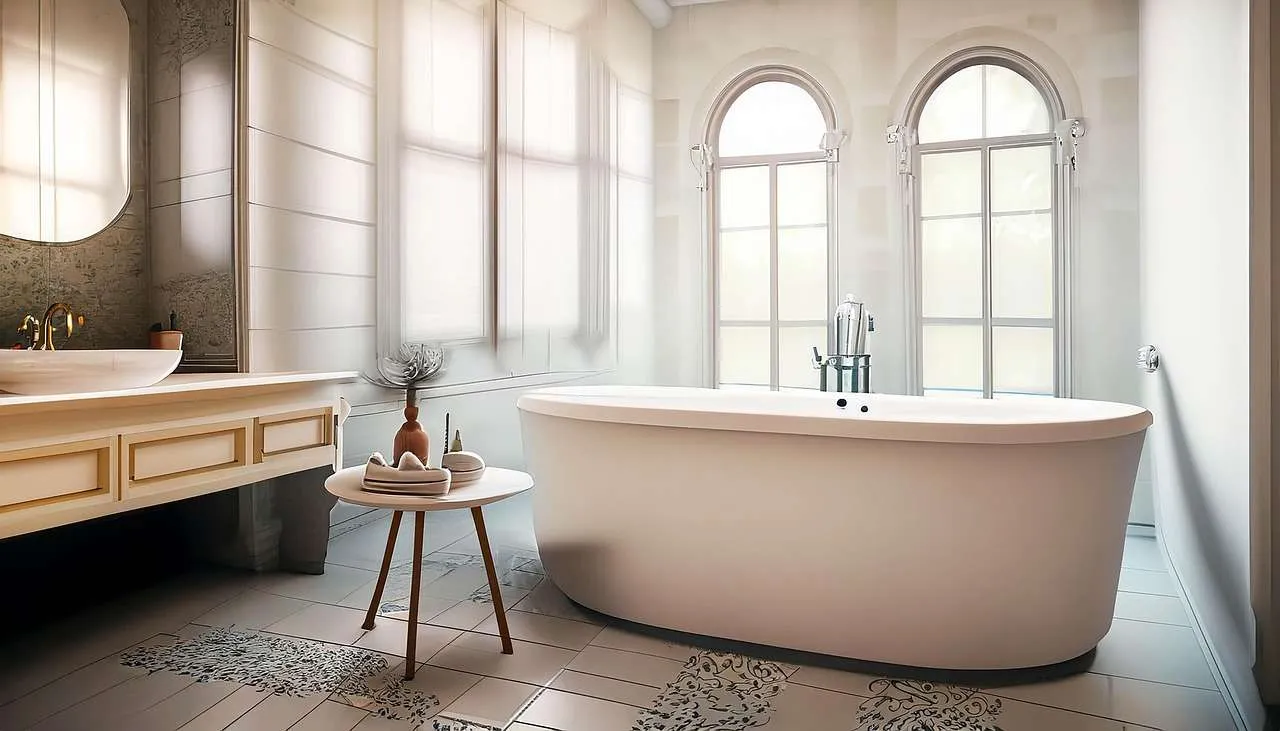
Small bathrooms present design challenges, but with the right approach you can create a space that feels larger, works better for daily routines, and stays easy to clean. This guide addresses common search intents around small bathroom ideas, from layout planning and storage to fixtures, finishes, and lighting. By combining practical tactics with durable materials and professional guidance when needed, you can achieve a stylish, functional bathroom that never feels cramped. The goal is to help homeowners, renters, and designers select options that maximize floor area, enhance natural light, and reduce clutter while keeping maintenance simple and cost-efficient.
Smart layouts for tiny spaces
Start with the layout that makes the best use of the available footprint. In most small baths, a wall-hung or pedestal sink frees floor space and visually enlarges the room. A floating vanity with open storage beneath or a corner sink can free valuable real estate for a narrow walkway. Consider a pocket door or a barn-style door to remove door swing intrusion from the main bath area. If a tub is must-have, opt for a shallow alcove tub or a compact 48-inch model with a glass shower panel to preserve openness.
Key layout moves
- Prefer wall-hung toilets and vanities to reveal more floor area.
- Install a clear glass shower enclosure or a curved shower curtain rod to minimize visual bulk.
- Use recessed niches for toiletries so counters stay clear.
- Position mirrors and lighting to reflect light across the room.
Storage and organization that disappear
Storage is where small bathrooms often fail. Think vertical, not just horizontal. Tall, slim cabinets, open shelving above the toilet, and recessed medicine cabinets can hold daily essentials without crowding the floor. Use the space under the sink with pull-out hampers, organizers, and a vanity with integrated drawers. Add magnetic strips for small metal tools and adjustable hooks inside doors for towels and robes. Labeling and clear bins keep items accessible yet orderly.
Smart storage ideas
- Recessed shower niches keep shampoo bottles at arm’s reach without stealing surface area.
- Over-toilet shelving or a tall linen cabinet leverages vertical wall space.
- Under-sink organizers and toe-kick drawers maximize every inch.
- Transparent containers and color-coded lids speed routine use and cleanup.
Fixtures and finishes that read larger
Choose fixtures and finishes that visually expand the space. Frameless or low-profile shower enclosures reduce visual barriers. A wall-hung toilet and a slim-profile vanity create open sightlines. Light colors, glossy tiles, and large-format porcelain or glazed ceramic sheets reduce grout lines and reflect light. A big mirror or a mirrored wall can double the perceived size of the room, while a shallow vanity top prevents crowding. Consistent grout color and matching metals also contribute to a seamless, high-end look.
Lighting, color schemes, and mood
Layered lighting dramatically impacts perception. Combine ambient ceiling light with task lighting near the mirror and soft under-cabinet illumination for nighttime routines. Natural light, if available, should be optimized with a transparent shower enclosure and pale wall colors. Neutral palettes with small pops of accent color keep the space calm and cohesive. For practical maintenance, choose materials that resist mold and are easy to clean, such as epoxy-painted cabinets and quartz counters.
Comparison and planning checklist
| Aspect | Best Practice | Why it helps |
|---|---|---|
| Shower option | Walk-in glass shower | Feels spacious, easier to clean |
| Storage | Recessed niches and tall cabinets | Maximizes vertical space |
| Toilet/vanity | Wall-hung models | Creates floor openness |
| Door type | Pocket or barn door | No swing space intrusion |
When budgeting, allocate funds to core space-saving elements first: fixtures (toilet, vanity, sink), a glass enclosure, and quality lighting. Compare brands and warranties, read reviews, and, for major changes, hire a licensed professional for plumbing, electrical, and ventilation to protect safety and code compliance. A well-planned small bathroom can be stylish, durable, and more functional than larger, poorly organized spaces.
Conclusion, this guide provides a framework to evaluate options, align with your budget, and implement design choices that maximize space without sacrificing comfort or style. Start with precise measurements, create a prioritized list of must-haves, and stage the project with a clear timeline. With thoughtful selections and professional input when needed, a small bathroom can feel generous, bright, and inviting for years to come.